

When a guest chooses a hotel for their stay, they have an expectation that they and their belongings will be safe and secure. Likewise, it is equally important to ensure the safety and security of the hotel staff and assets.
Therefore, it is imperative to have a robust safety and security system in place to protect the well-being of staff, guests, and the physical resources and assets of the hotel, including equipment, appliances, buildings, gardens, and the personal belongings of the guests. Safety and security always take precedence in providing excellent guest service.
Table of Contents
Importance Of Safety And Security System:
Safety and security are of utmost importance in hotels to ensure the well-being of guests, staff, and the protection of valuable assets. Here are some key reasons highlighting the importance of having a robust safety and security system in place –
1. Guest Safety
The primary concern of any hotel is the safety of its guests. Executing a comprehensive safety and security system helps create a secure environment where guests can feel protected throughout their stay. This comprises actions such as controlled entry to rooms and facilities, surveillance systems, and emergency response protocols.
2. Staff Protection
The hotel staff works tirelessly to provide excellent service to guests. A safety and security system safeguards the well-being of the staff by minimizing risks and potential hazards. It ensures a safe working environment, reduces incidents of theft or violence, and provides staff with the necessary tools and training to handle emergencies.
3. Asset Protection
Hotels possess valuable assets, including equipment, furnishings, technology, and infrastructure. Implementing a robust security system allows protection of these assets from theft, damage, or misuse. Surveillance cameras, key control systems, and alarm systems play a vital role in deterring theft and unauthorized entry.
4. Liability Mitigation
By having effective safety and security measures in place, hotels can mitigate potential liabilities. Adequate lighting, proper signage, and adherence to safety regulations minimize the risk of accidents and injuries on the premises. This helps protect the hotel from legal claims and ensures the well-being of guests and staff.
5. Reputation And Guest Satisfaction
A hotel’s reputation is built on its ability to deliver a safe and secure atmosphere for guests. A comprehensive safety and security system instills confidence in guests, enhancing their overall experience and satisfaction. Favorable word-of-mouth assessments and suggestions from satisfied guests contribute to the hotel’s success.
6. Emergency Preparedness
Hotels must be prepared to handle emergencies effectively. This includes having protocols in place for fire safety, medical emergencies, natural disasters, and other unforeseen events. An efficient safety and security system facilitates quick response times, evacuation procedures, and effective communication to ensure the well-being of all individuals within the hotel.



Here is A List Of Safety And Security Tips For Hotel:

1. Staff Training And Vigilance
Hotel staff plays a crucial role in maintaining safety and security. Ensure that all staff members undergo comprehensive training on emergency procedures, guest safety protocols, and security measures. Keep them alert and stimulate them to report any suspicious activity immediately.
2. Controlled Access And Key Management
Implement a robust access control system to regulate entry into the hotel premises and restricted areas. Limit access to guest floors, storage areas, and sensitive locations. Maintain strict key management protocols to prevent unauthorized duplication or access to guest rooms.
3. Surveillance And Monitoring
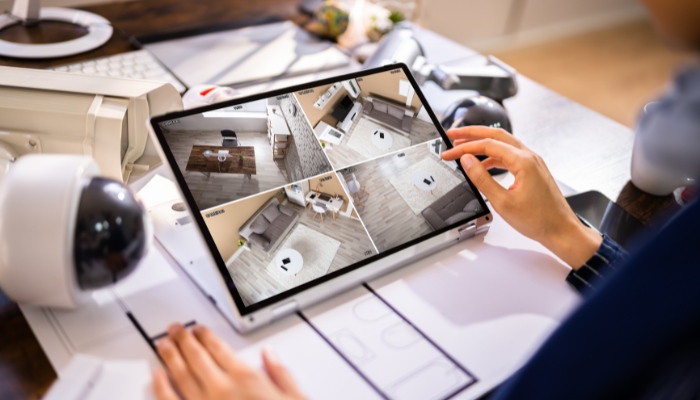
Install surveillance cameras strategically in public areas, hallways, entrances, and parking lots to deter potential threats and monitor activities. Regularly check camera functionality and ensure footage is securely stored for review if necessary. This aids in identifying incidents, investigating claims, and deterring criminal activities.
4. Adequate Lighting And Signage
Proper lighting in all areas of the hotel, including corridors, parking lots, and outdoor spaces, is essential for guest safety. Well-lit environments discourage illicit activities and enhance visibility, decreasing the chance of mishaps. Transparent and visual signage showing trouble exits, fire extinguishers, and other safety features guide guests during emergencies.
5. Emergency Preparedness
Develop and regularly update emergency reaction strategies for different techniques such as fires, natural disasters, medical emergencies, and security breaches. Conduct drills and training sessions to familiarize staff with their positions and duties during troubles. Establish effective communication channels to relay critical information promptly.
6. Fire Safety Measures
Install and regularly maintain fire detection and suppression systems throughout the hotel. Conduct fire safety inspections, ensure proper placement of fire extinguishers, and provide staff with training on handling fire incidents. Clearly display evacuation routes and conduct fire drills to prepare guests for emergencies.
7. Guest Room Safety
Ensure that guest rooms are equipped with secure locks, peepholes, and functioning safety features such as smoke detectors and emergency contact information. Regularly inspect room locks, safes, and windows to recognize and manage any exposures. Educate guests on in-room safety features and emergency procedures.
8. Cybersecurity
In today’s digital age, protecting guest information and maintaining cybersecurity is crucial. Implement robust data protection measures, secure Wi-Fi networks, and train staff on handling guest data securely. Regularly update software and systems to guard against cyber threats.
9. Security Personnel
Consider employing trained protection personnel who are competent in managing security-related issues professionally. They deliver a visual barrier to possible hazards and offer a sense of security to guests.
10. Regular Maintenance And Inspections
Conduct regular supervision checks to recognize and handle any safety hazards promptly. Inspect electrical systems, plumbing, fire alarms, and other safety equipment regularly. Ensure that walkways, stairwells, and common areas are clean, clutter-free, and well-maintained to prevent accidents. You also have to maintain the hotel trolleys such as trolley for housekeeping, laundry trolleys, services trolleys, and more.
Conclusion
Prioritizing safety and security in hotels is essential for ensuring a comfortable and secure experience for guests. By implementing these tips, hotels can create a safe environment, gain guest trust, and maintain a positive reputation. Remember, continuous evaluation and improvement of safety and security measures are key to staying one step ahead of potential risks and providing guests with peace of mind during their stay.