
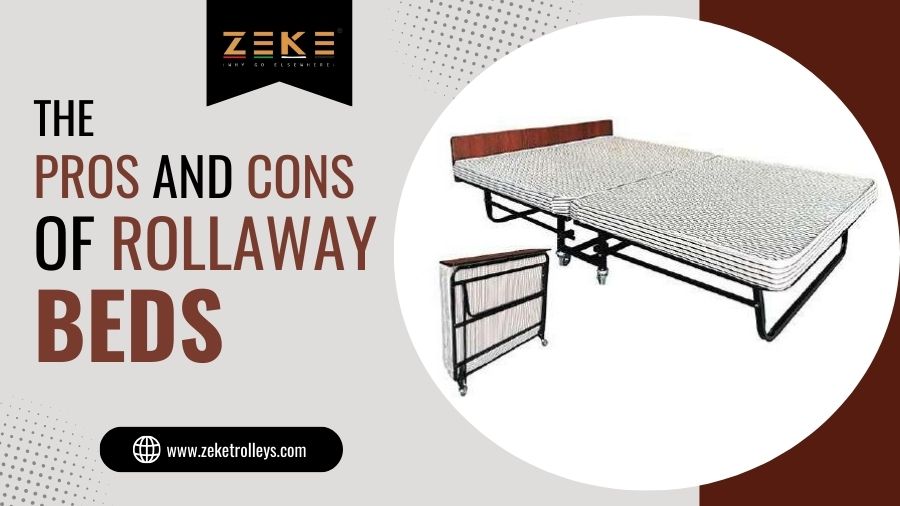

In the ever-evolving landscape of hospitality, hotels continually seek innovative solutions to improve guest comfort and maximize room functionality. One such space-saving addition to hotel room amenities is the rollaway bed, a versatile option that can be a game-changer for both guests and hotel management.
In this blog, we will delve into the pros and cons of rollaway beds, exploring how these mobile sleep solutions impact the overall guest experience.
Table of Contents
Pros Of Incorporating Rollaway Beds:

1. Space Optimization
Rollaway bed hotel are champions in space optimization. Their ability to be easily rolled in and out makes them an ideal choice for hotels aiming to provide additional sleeping arrangements without compromising the room’s overall layout.
2. Convenience for Guests
Rollaway beds offer a convenient solution for guests traveling with families or friends. These portable beds can be swiftly set up when needed, providing an extra sleeping space without the need for cumbersome, permanent furniture.
3. Increased Accommodation Capacity
For hotels that frequently host events or conferences, rollaway beds offer a dynamic way to adjust room configurations based on varying guest requirements. This versatility can be an effective asset in accommodating diverse clientele.
4. Cost-Effective Solution
Opting for rollaway bed is a cost-effective strategy for hotels looking to increase their room capacity without the need for extensive renovations or investments in larger room types. This budget-friendly approach can lead to a favorable return on investment.
5. Guest Satisfaction
Providing rollaway bed as an option demonstrates a commitment to guest satisfaction. Hotels can cater to the specific needs of guests, offering a more personalized and adaptable stay that aligns with their expectations.
Cons Of Incorporating Rollaway Beds:
1. Limited Mattress Comfort
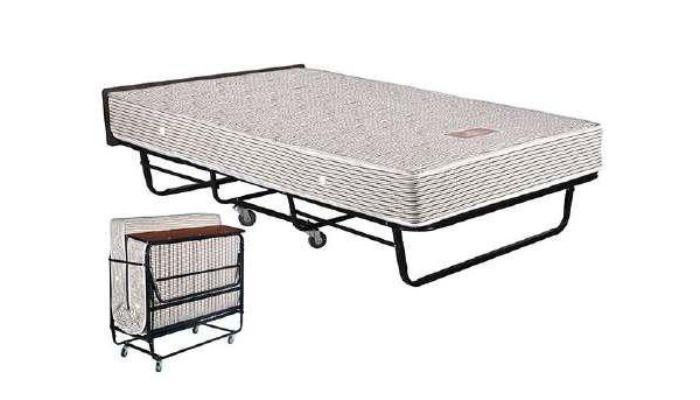
While rollaway beds offer convenience, the mattresses may not consistently deliver the same level of convenience as standard beds. Ensuring the quality of the mattress becomes crucial in maintaining guest satisfaction.
2. Storage Challenges
When not in usage, rollaway bed require dedicated storage space. Hotels with limited storage capacity may find it challenging to manage these extra beds, leading to logistical issues.
3. Mobility Constraints
Despite their rollable nature, maneuvering rollaway beds through narrow hallways or tight spaces can pose challenges. Housekeeping and maintenance staff need to navigate carefully to avoid inconveniencing guests or causing damage to the furniture.
4. Aesthetics Concerns
The introduction of rollaway bed may impact the overall aesthetics of hotel rooms. Striking a balance between functionality and maintaining a cohesive design scheme becomes a consideration for hotel designers and managers.
5. Maintenance Requirements
Due to frequent use and mobility, rollaway beds may require more regular maintenance compared to traditional beds. Ensuring that these additional sleeping solutions remain in good condition becomes a part of the hotel’s ongoing upkeep responsibilities.
Optimizing The Rollaway Bed Experience:

1. Investing in Quality
To mitigate concerns about mattress comfort, hotels can invest in high-quality rollaway beds with comfortable mattresses. This not only improves guest pleasure but even supports favorable reviews and repeat business.
2. Strategic Storage Solutions
Implementing strategic storage solutions, such as foldable or stackable options, can help hotels overcome storage challenges associated with rollaway beds. This ensures a seamless and clutter-free environment when the beds are not in use.
3. Thoughtful Design Integration
When integrating hotel rollaway beds into room design, hotels can consider options that complement the existing decor. Thoughtful design integration ensures that the additional sleeping solutions contribute to, rather than detract from, the overall aesthetic appeal of the room.
4. Regular Maintenance Protocols
Establishing regular maintenance protocols for rollaway beds is essential. Conducting routine inspections, addressing issues promptly, and ensuring that all components are in good working order contribute to the longevity and functionality of these additional sleep options.



Conclusion:
The decision to incorporate rollaway beds into a hotel’s room inventory involves a careful balancing act. While these beds offer unparalleled flexibility and convenience, hoteliers must weigh the pros and cons to ensure that the overall guest experience remains seamless and satisfactory.
Strategic investments in quality, efficient storage solutions, thoughtful design integration, and proactive maintenance can transform rollaway beds into assets that enhance a hotel’s offerings without compromising on guest comfort or design aesthetics.
By navigating the considerations associated with rollaway beds with a strategic mindset, hotels can optimize these mobile sleep solutions to meet the evolving needs of modern travelers.